Team: repair collaboration
Use perspective-taking and restorative conversations to talk openly about what collaboration needs.


From safe conversations to difficult feedback, build a team with mutual trust and continuous improvement.
A 2024 survey by 104 Job Bank found that 30.8% of job changers cited dislike of their manager's leadership style. When people can ask questions and disagree safely, teams can discuss real problems early.
104 Job Bank, 2024 Employee C.E.O. Work Values Survey
Designed by psychologists, with workplace scenarios and role-play that make each method concrete.
“I'm worried we won't make this deadline.”
“Which part is hardest? Let's work out how to adjust it together.”
Use perspective-taking and restorative conversations to talk openly about what collaboration needs.
Practise questioning, listening and specific feedback, balancing expectations and trust.

Ease team friction through perspective-taking, respectful communication and restorative conversations, and build rapport and trust.
View coursePractise asking, empathetic listening and non-defensive responses so people speak honestly and the team feels psychologically safe.
View courseHandle performance feedback, difficult conversations and conflict, repairing collaboration while keeping both expectations and trust.
View courseAfter class, the Mental Coach App keeps the practice going.
All related coursesTurning psychological concepts into methods you can practise.
Bringing conversations and responses into real practice.
Connecting classroom methods back to daily work.
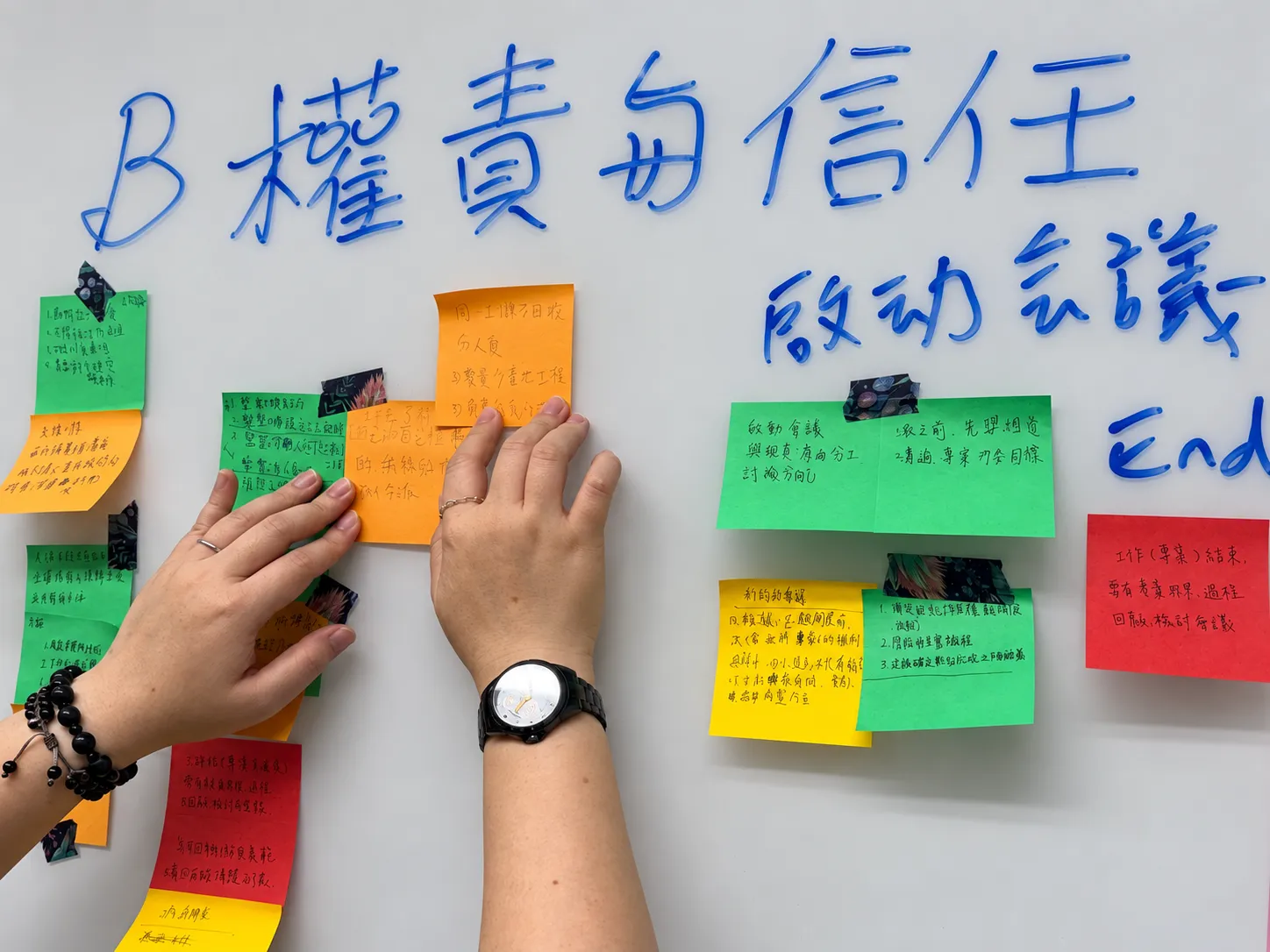
Through perspective-taking and scenario discussion, practising clear requests, listening and collaboration.
Read the event recap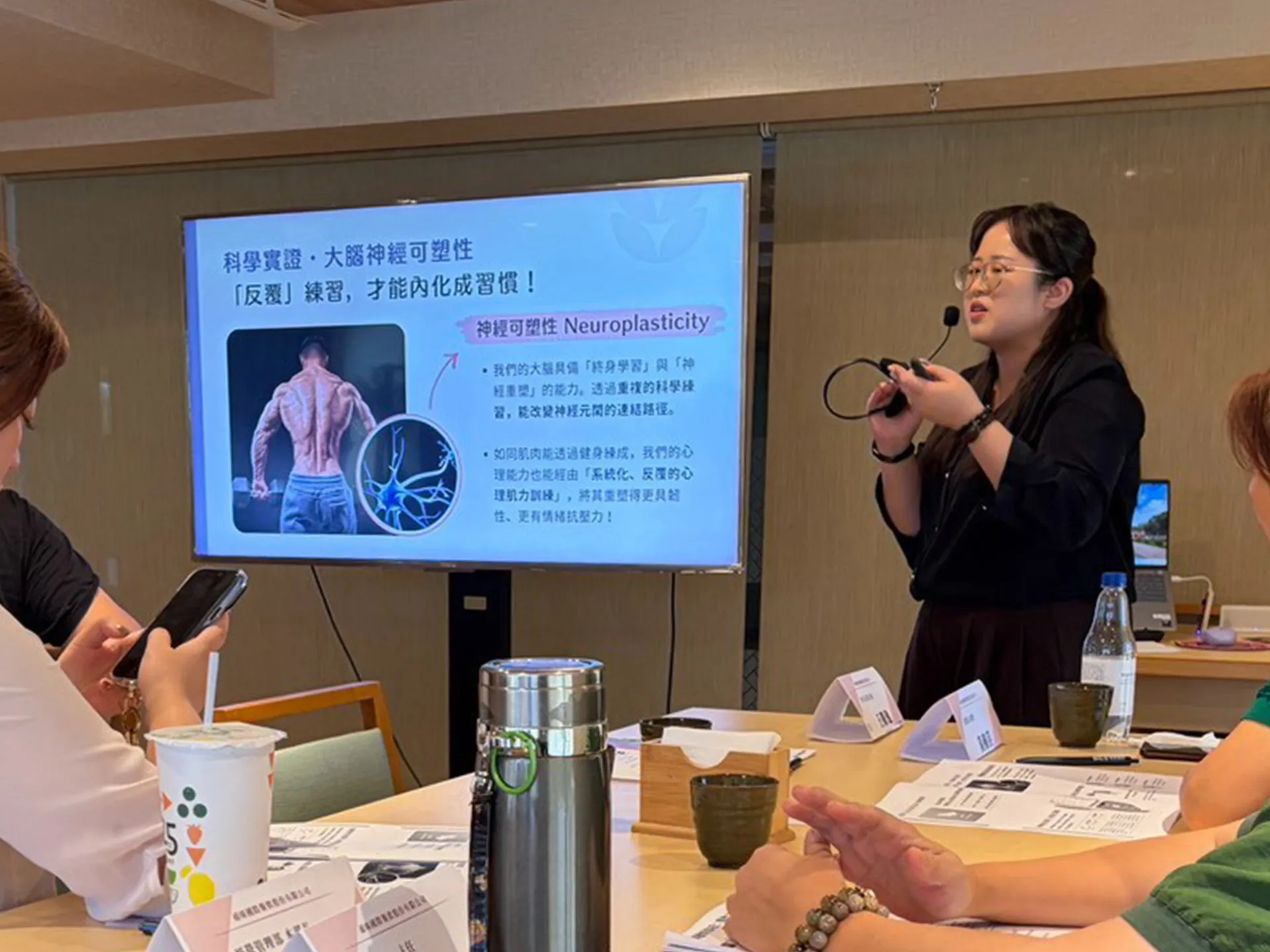
Practising store management conversations through emotional regulation, SBI feedback and blameless reviews.
Read the event recapPsychological safety lets problems and different views be discussed, and it still needs clear requirements. The course practises stating expectations clearly with respect and understanding.
Yes. Start with safe conversations in L5, then extend to difficult situations and performance support in L6 as needed; for whole-team participation, choose L3.
Start by describing the current situation and your expectations, then discuss participants, exercises and the right format with a consultant.
Let's find the right place to start your training.
Discuss your needs