Employees: self-care
Recognise stress signals and practise emotional regulation and recovery.


Employees learn to manage stress; managers practise noticing needs and offering timely care.
A 2026 Cheers survey found that 21.6% of employees have sought medical help because of work, about one in five. Employee mental health is also a key part of the social pillar of ESG.
Cheers (天下學習), 2026 DEI Report
Designed by psychologists, with workplace scenarios and role-play that make each method concrete.
Recognise stress signals and practise emotional regulation and recovery.
Look after yourself first, then practise listening, responding and connecting people to resources.
Notice stress signals, practise steadying yourself and build daily recovery.
View courseManage the pressure of leading and find a steady, sustainable leadership rhythm.
View courseClarify management boundaries, balancing work requirements with employee care.
View courseAfter class, the Mental Coach App keeps the practice going.
All related coursesTurning psychological concepts into methods you can practise.
Bringing conversations and responses into real practice.
Connecting classroom methods back to daily work.
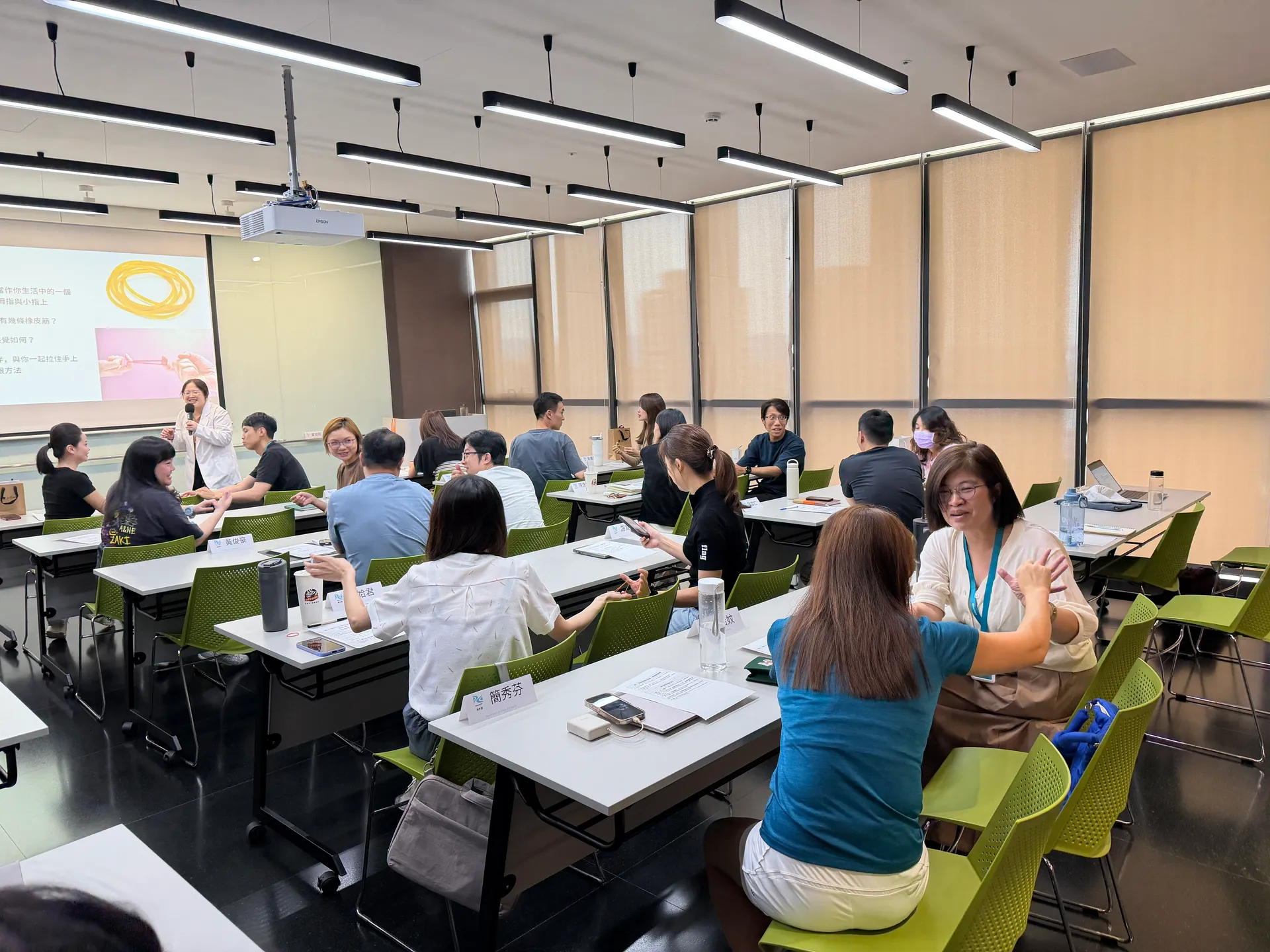
From stress warning signs to supportive listening, practising manager care and empathetic conversations step by step.
Four-session series
Read the event recap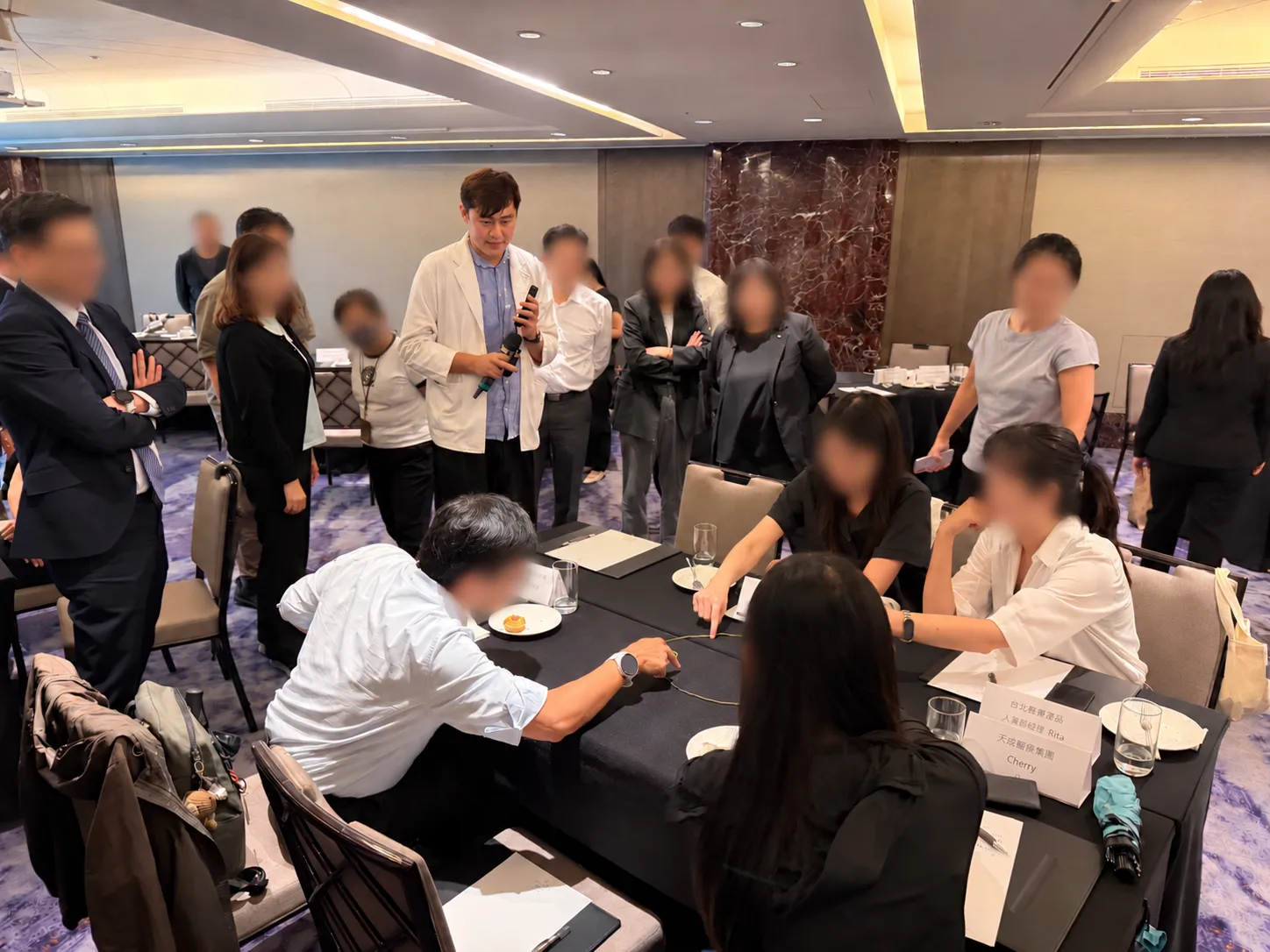
At the hotel HR managers' monthly meeting, practising emotional awareness, five-senses grounding and breathing, with six months of app support.
About 50–60 hotel HR professionals
Read the event recapEmployees can start with L1 on stress management; managers can add L4 for their own stress and S2 for employee care and support resources.
Yes. We can plan how to introduce your help channels in class and practise how managers offer care and referrals.
The Mental Coach App extends daily practice, and a course series can keep building personal adjustment and manager support.
Let's find the right place to start your training.
Discuss your needs