Team: understand different ways of working
Explain needs and boundaries and agree concrete ways of working together.


Clarify expectations and practise understanding, feedback and collaboration.
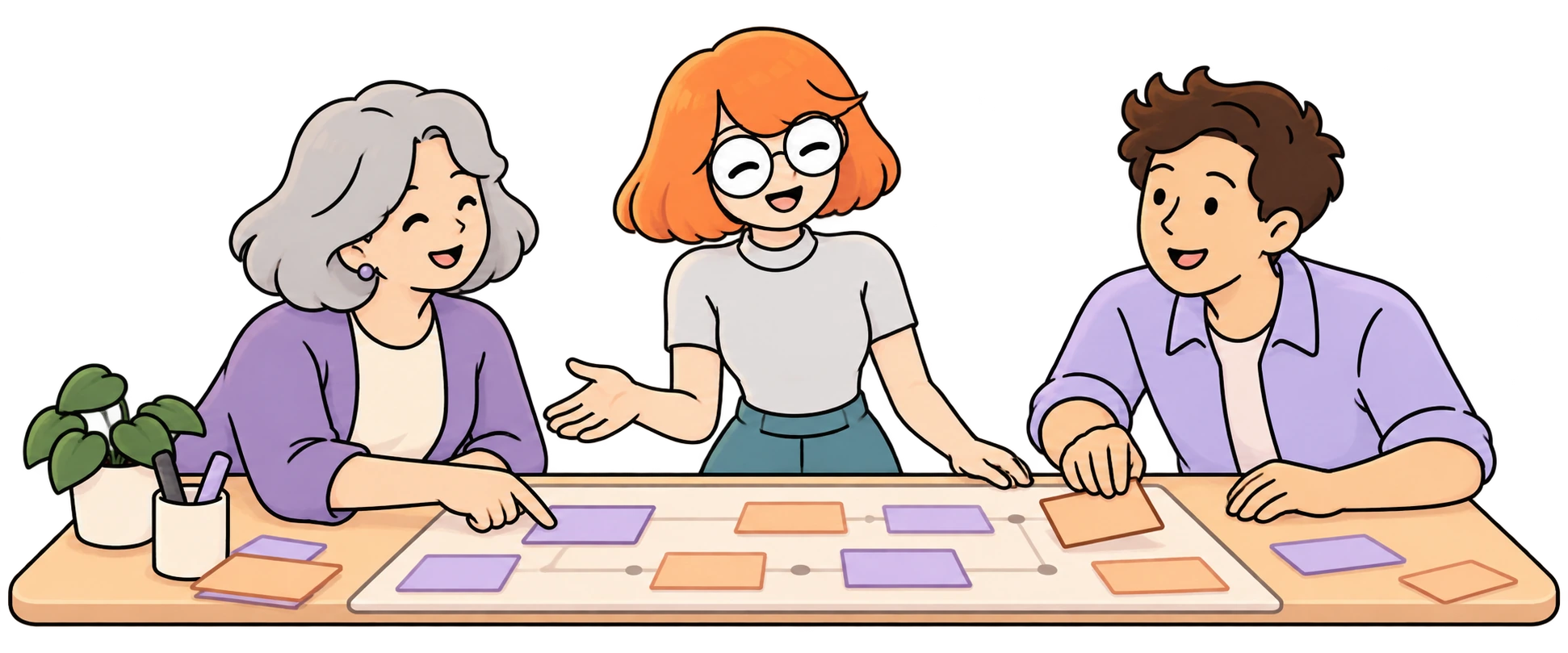
Understand differences starting from concrete work expectations, so generational labels stop blocking collaboration.
Designed by psychologists, with workplace scenarios and role-play that make each method concrete.
“I'd like you to report progress proactively.”
“Shall we agree first on which updates need reporting?”
Explain needs and boundaries and agree concrete ways of working together.
Practise listening, feedback and difficult conversations, balancing performance and respect.
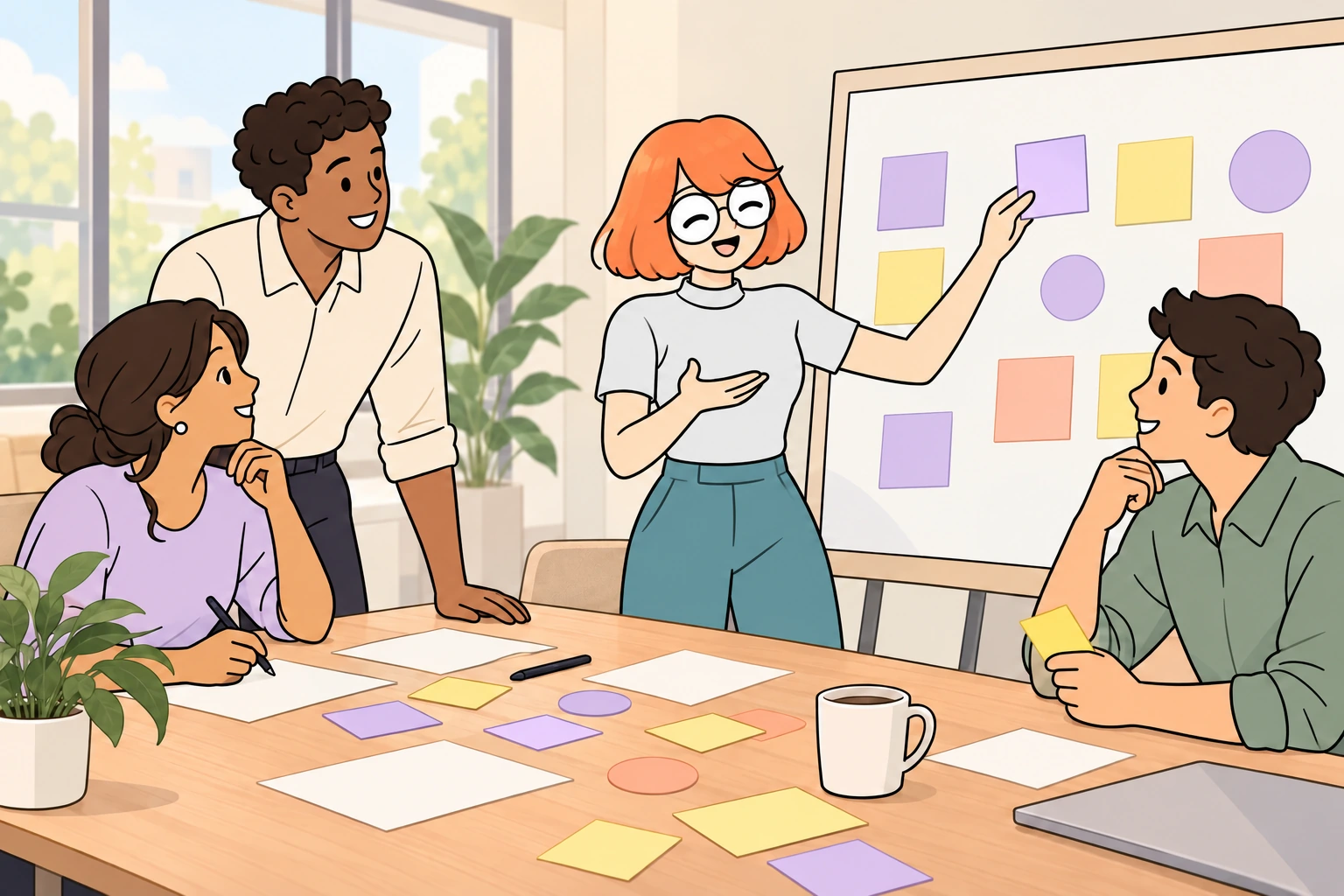
Understand different working styles and needs, practise respectful communication and conflict repair, and build shared agreements across generations.
View coursePractise asking, listening and responding well so employees of every generation feel able to speak up.
View courseHandle performance feedback, difficult conversations and conflict while balancing expectations and team relationships.
View courseAfter class, the Mental Coach App keeps the practice going.
All related coursesTurning psychological concepts into methods you can practise.
Bringing conversations and responses into real practice.
Connecting classroom methods back to daily work.

Practising store management conversations through emotional regulation, SBI feedback and blameless reviews.
Read the event recap
Managers and new-hire mentors practise listening, empathy and appropriate support boundaries together.
Four-session series
Read the event recapNo. It starts from real expectations, styles and needs, using perspective-taking and dialogue to clarify differences rather than explaining behaviour by age alone.
Teams can join the L3 collaboration workshop together; managers can also take L5 and L6 to practise listening, feedback and difficult conversations in depth.
Yes. Share common collaboration friction, handover and management scenarios, and a course consultant will discuss suitable cases and exercises.
Let's find the right place to start your training.
Discuss your needs